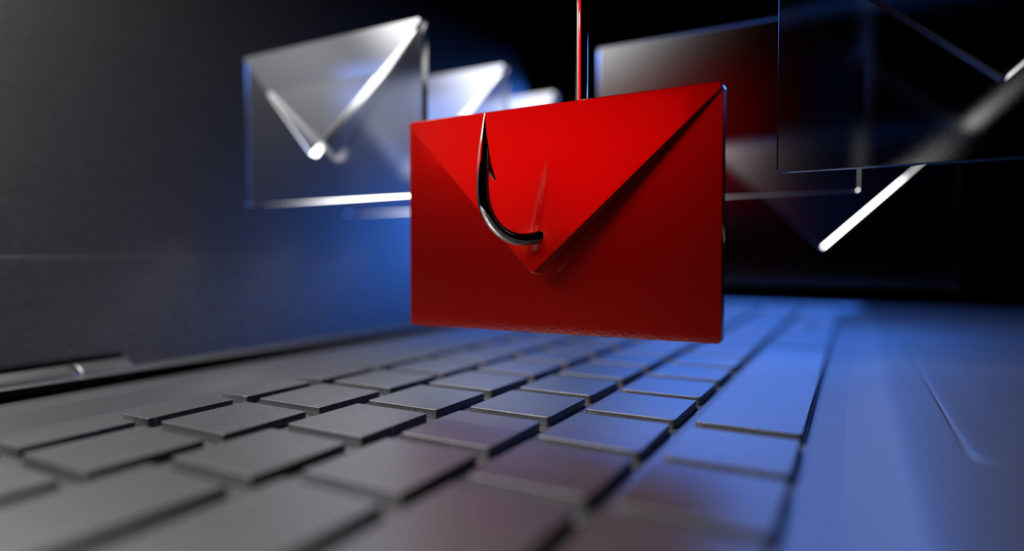
Phishing: How To Protect Yourself
Thousands of people all over the world are spending more time online due to the pandemic/post-pandemic life and despite even the most advanced technological security features, companies are still vulnerable to attacks. Because hackers look for weaknesses in organizations, the average user is often targeted by cyber-attacks via attacks using phishing.
What Is Phishing?
Phishing happens when hackers disguise themselves as an authority figure that uses carefully designed emails to lure you into going to a fraudulent website and downloading corrupt files or revealing your password in order to use the data to access a company network or personal data.
The most popular methods of phishing is making use of an art form of narrative to lure users to click the attachment or link. It could involve strategies such as:
- In addition, the fake invoice
- We’re asking you to confirm your the accuracy of your personal information.
- There’s a problem with your account or your payment details
- Notifying you of suspicious activity or attempted log-in
- Inviting you to click on an image to make the payment
How To Spot An Attack
The best method to stay clear of fraudsters is to be aware of the various kinds of phishing scams users can encounter. Hackers typically have greater success than employees who phish because they spend most of the day using links and downloading files to work. Here are some examples of false information that scammers use to get users to click on their emails:
- Fake shipping or delivery notification
- Fake purchase confirmations, invoices and purchase confirmations
- Personal information requests
- Promising rewards with attractive promises
- Gift card or charity scams
- The use of threatening or urgent language
- Unexpected emails
There are a variety of methods that scammers use to attempt to lure you into clicking on a link or opening an unsafe attachment. Always take note of certain key points in order to determine whether an email is secure or not. Look at factors like:
- Who’s the person who’s sending the email? If you can’t instantly recognize the sender, it’s best to determine if the individual or company’s name is spelling correctly. Another method to determine if you’ve got suspicious senders is at an assortment of random characters rather than a specific email address.
- Who are the intended recipients?Hackers could target those within your organization that may have access to confidential company information. If you’re a person who handles confidential information such as financial data, customer information and intellectual property you should be aware that your company is an ideal attack target for hackers.
- Subject Line: Always look at the email’s subject line prior to opening it or responding to it. The presence of misspellings, grammar or spelling errors in an official institution or business is usually an indicator of an email that is suspicious.
- Any suspicious attachments or linksPhishing emails typically contain external links that take you to a website that’s broken or isn’t the real URL. Look over any links contained in the email and check whether they are authentic If you aren’t sure about the link, do not click it.
- The content type within the email – Check the tone that the message conveys. Always check the email for clarity and correct grammar prior to responding or responding to an email.
Do not forget that as we are working from home, it’s vital to ensure your safety and your company’s details to not accept any suspicious or unwelcome emails.
How To Protect Yourself From Phishing Attacks
Although we’d like to believe that our email service is flawless and will instantly block unwanted or suspicious emails, it’s not always the scenario. Fraudsters have become more adept at thwarting spam filters, making it easier for them sneak into your inbox. It’s always good to keep a few layers of protection in order to avoid the phishing attack.
- Make sure you think before clicking any link!
- Make sure that your security software on your computer is up-to-date.
- Do not divulge personal or financial details via the links in emails.
- Secure your accounts with multi-factor authentication.
- Be aware and avoid clicking on pop-up dialogs.
Your company is able to provide all the information and training that is possible however, if you do not make the necessary steps to detect and identify phishing when it happens, you may compromise the security of your personal information.
Bluehost does not ask for sensitive information related directly to the account you have. If you get an inquiry from someone who you believe as Bluehost or an Bluehost agent, then you are able to always contact Bluehost directlyto verify.
What To Do If You Suspect A Phishing Attack
If you think you’ve been victimized by a phishing attack, especially if were using a work or account with an email, inform your IT department right away. If you suspect that a person is attempting to steal your information, has access to any personal details or information, such as the Social Security Number or your banking details, call Identitytheft.gov. The first thing you should remember when you work online is to ensure that your personal information is safe from fraudsters.